
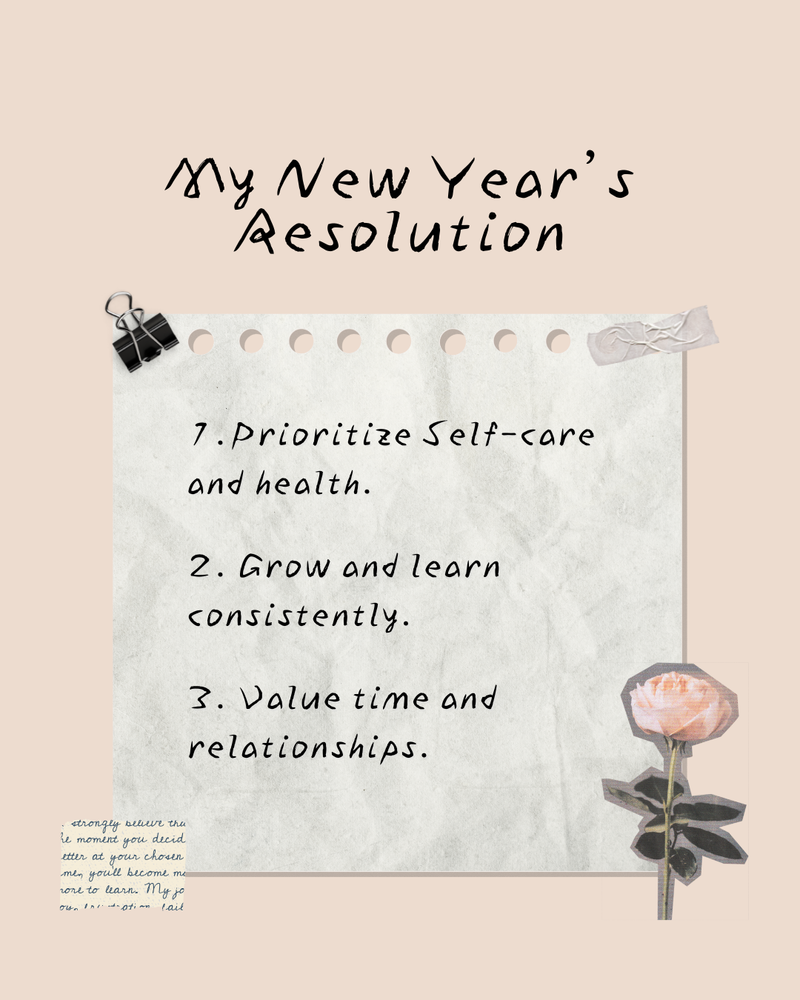
As the calendar flipped from 2025 to 2026, millions of people around the world declared strong -headed goals to change their lives: save money, eat healthier, study harder, the list goes on and on. However, society wonders the same thing. Are New Year’s resolutions actually real?
To make resolutions is a yearly event that happens without fail. People of all ages are ready to reshape themselves for the better at the start of each year. However, motivation is only the starting point. It is found that more than half of resolution chasers abandon their goals within the first month. So, how can you make your resolutions stick?
It is recommended that resolutions be broken up into smaller, more manageable chunks. Statements that are too general such as “Always be clean” or “Eat healthier” often end up in the trash can of your mind within weeks. Creating smaller steps such as “eat a healthy meal once a week” or “put away your laundry right away” are much more achievable.
Secondly, it is recommended that resolutions be kept track of. Keeping yourself accountable with a calendar or a friend can make all the difference. If you can visually see what you are committed to or have someone else help you along the way, you are much more likely to be successful and hold yourself accountable.
Lastly, be flexible. Being flexible and allowing yourself to have good days, bad days, successes and failures sets your expectations much lower, and leads you to not be disappointed if you fall back and want to give up. Accept that mistakes happen.
So, are new year’s resolutions real? The answer depends. They are real culturally; the world comes together to try and achieve goals. However, if real means more of an expected immediate transformation, then no, they are a mere myth.